celes 26 Jan

When Dragon’s Dogma first came out on the consoles, I skipped it entirely. I’m not really sure why, but it was probably my dwindling faith in Capcom in combination with a $60 pricetag. Though most of their games aren’t the highest quality, Capcom makes titles that can be delightfully quirky at times. Even if I don’t love ALL their work, I appreciate the effort they’re putting into bringing a lot of their games to the PC.

Dragon’s Dogma is a hack and slash action rpg set in an open fantasy world. That’s the kind of thing that’s right up my alley, but Dragon’s Dogma has some ugly textures, dated character models, a super convoluted menu system, and a story that isn’t just bad, it’s Capcom bad. Characters have no arc. The voice acting is OK, but at times they seem to be speaking just gibberish. Most of the music from the soundtrack is pretty generic fantasy stuff, but then there are other songs that are so out of place you have to wonder if they were cut from another game.

I put over 50 hours into the game so far. I’ve completed the main story and I’m ready to talk about my experience.

I love Dragon’s Dogma.

I know I’m probably more lenient on games with swords and shields and magic and dragons and big open worlds and gigantic castles. But I really do love this game and I’m sad that I have to put it down to work on other videos for this channel.

You play as a nobody from a fishing village, and when a dragon starts some trouble, you’re the only one brave… or stupid enough to pick up a sword. The dragon promptly eats your heart and you become an “Arisen.” You go on a warpath to basically get your heart back from the dragon. The rest of the story is meaningless.

I hate to be dismissive about it, but every other story encounter in the game has absolutely no bearing on anything. The game forces these weird half-stories upon you that either start or stop in the middle and gives no closure on most of them. Dragon’s Dogma tries to make you believe that you should somehow care about these lifeless characters.

And you shouldn’t care about them. I don’t. But, lifeless characters aside, that had little to no bearing on how much I liked this game.

After you have your heart poked out you can summon pawns to your traveling party. You can customize your primary pawn to look however you’d like. That pawn levels up just like you do, and you can pick its class, equip it, and so on. The other two pawns that join your party are selected from sort of a spirit pool. They aren’t human, but they look human. Their level and class are static. While your primary pawn can be resurrected, these two secondary pawns can die permanently or they can be switched out for higher level pawns. They’re sort of like genies who are summoned and have to obey the commands of the Arisen.

You can play as one of several fantasy archetypes (mage, fighter, rogue), or a specialized hybrid class. Each class has its own skills that can be unlocked using experience points. With enough experience points, you can dabble in multiple classes, so your playthrough of Dragon’s Dogma isn’t stuck to just one type of action.

Interestingly, playing through Dragon’s Dogma just once isn’t really enough (and yup, you guessed it, there’s a new game plus mode). There is an incredible amount of things to do after the credits role. Since the credits only mark the end of the flimsy story, I didn’t feel the urge to stop playing because there was so much of what I loved left in the game.

The exploration, the combat, and the loot.

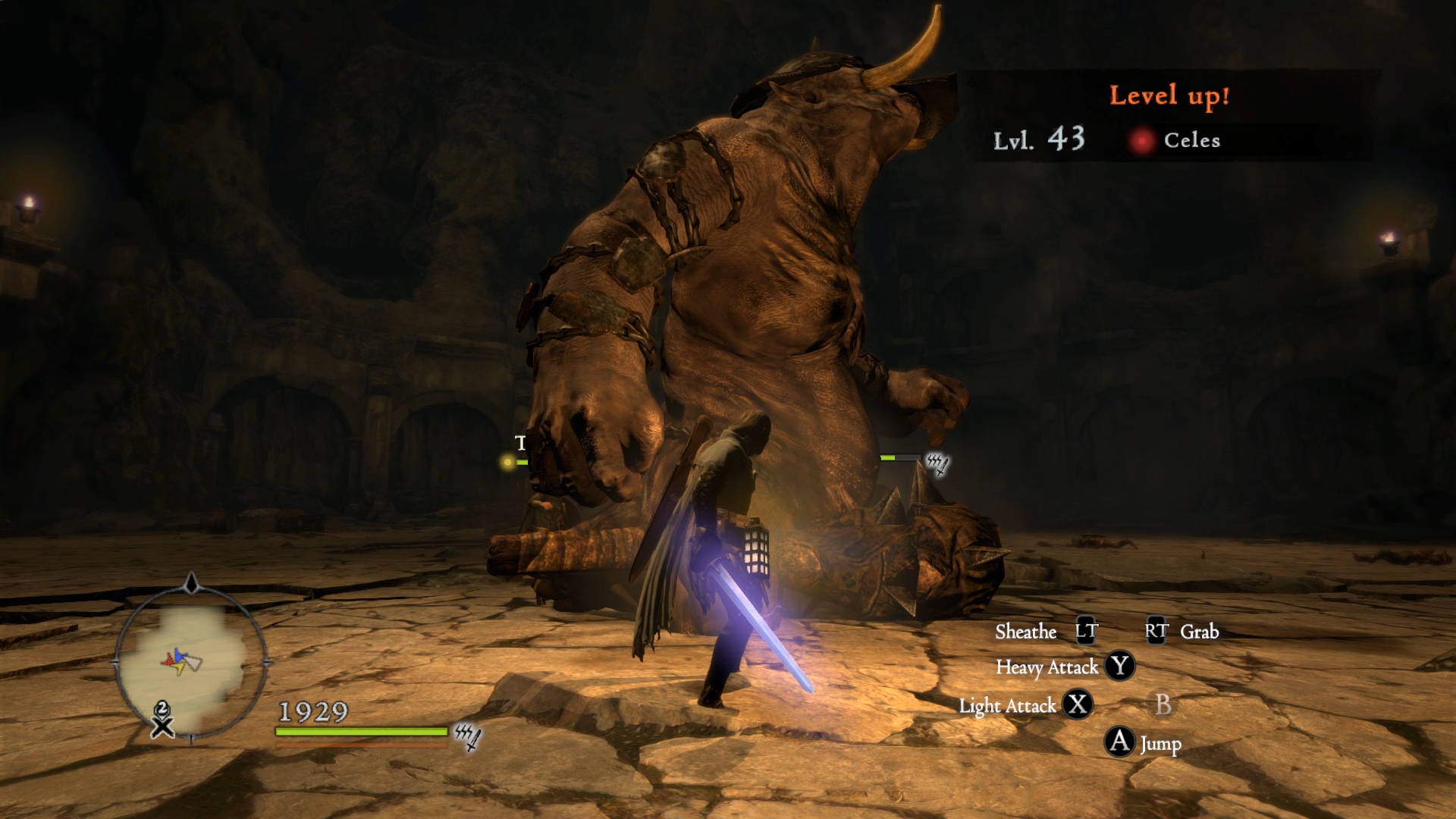
The arcade combat is super fun. While the human faces look weird, the monsters in Dragon’s Dogma look great. You can select which special moves you attach to your character and you slap away at huge hordes of enemies both big and small. At its core, the combat is easy to pick up, but still rewarding. At times, I was reminded of another Capcom classic: Knights of the Round. Since the game is level-based, you can wander into areas filled with baddies that will clean the floor with you. Enemies drop cash, some healing items and other odds and ends that can be used to upgrade your weapons and armor in town.  

The big monsters are fun to fight. You can climb on all the larger enemies, but it’s not always a great idea to do so. The key is to find a weak spot and exploit it as best you can. The boss fights are fun and never resort to cheesy quicktime events. However, the tediously long final fight with the dragon did bore me at times.

Exploration leads to new quests, treasure chests and better equipment. At first, slogging around the world was a little daunting. The distance between two points can get overwhelming. Once you you collect the rare port crystals, you can position them at key places around the map and use it as a fast travel system. So, fast travel does exist in the game, but you have to earn it. I really liked that touch instead of instantly being able to teleport wherever I wanted in the world.

The dungeons and enemy areas are laid out very well, especially in the post-game content. You can purchase and carry a lantern which is mandatory for exploring at night and when you go underground.  It’s not “sort of dark” like some other game’s night sequences. It’s dark. And the lighting makes the experience very dynamic. The lantern has a finite amount of oil so if you’re not careful (like I was) you can run out and really have a tough time with it.

The Dark Arisen content of Dragon’s Dogma is fantastic. It’s a giant labyrinth teeming with beefed up monsters and super bosses to fight. Trying to tackle it before finishing the game is theoretically possible but unlikely. It’s fast paced and will put you and your little band to the test. It focuses in on what the game does well. Explore. Get new gear. Fight. Die. Level up. Get new gear. Try again. It’s like Diablo, Oblivion, and Knights of the Round got together and had a digital love child, but with tons of menu and story problems.

I’d say if you’re a board and sword geek like me, this one is definitely worth checking out. And now that it’s on PC, it only costs $30 for the whole package. The menu system will drive you nuts,  but 50+ entertainment hours for $30? That’s a steal. It runs well and I didn’t have any problems with crashing or stuttering. If you know you’re going to get hung up on poor story telling, then you should probably skip Dragon’s Dogma. You don’t have any real story choices and honestly, it’s all just a super flimsy excuse to go kill stuff.

But if you want cool enemies to fight while you put on some fancy armor and blast powerful magic and dig around the dark and forgotten places of a fantasy world, level up, find new loot, and do it all over again? Oh yeah. This one is far from perfect and I’d almost consider it a guilty pleasure game, but I’m keeping it installed for those spare moments when I can play a little bit more.

Tested on: PC

Developer: Capcom

Publisher: Capcom

Platforms: Windows, PS3, X360

Relaunch Date: January 15, 2016

Copy purchased with personal funds



2016-01-16_00004 17 Jan

Developed by Night School Studio (a group of former Telltale Games workers), Oxenfree is an adventure game for Windows, OSX, and Xbox One. It’s a coming of age tale set on an abandoned island that seasonally acts as a tourist destination and camping site where five teenagers throw an end of school year celebration… sans parents, of course.

The five teens accidentally tear open a supernatural rift in the caves near their campsite. From there, the characters backstories and motivations are exposed while facing off against the spooky occurrences on the island.

Spooky. Nothing more. I’d never dare to say “scary.” Because at it’s core, Oxenfree is not horror, just supernatural coming of age. And it’s important to get that expectation set properly in mind before diving into Oxenfree. It’s a beautiful game but its target audience is a little more narrow than I originally anticipated. The audio and visual disturbances are always easy on the ears and eyes. They’ll unnerve, but they won’t leave you sleeping with the lights on.

Am I overall disappointed with Oxenfree? Absolutely not. I think it’s a marvelous game albeit on the short side. I wrapped up the game in around five hours which compared to the $20 pricetag is definitely a solid reason to scare some players off. Those who do decide to take the plunge (either at full price or on sale) will be wowed by a lot of what Oxenfree has to offer.

The obvious, Oxenfree is visually stunning. Each frame is like a painting brought to life.

A majority of the gameplay is discovery-based. Like an anthropologist, you unearth the location’s history and its impact on the local civilians. But the most important game mechanic is choosing what to say to your companions from the quickly disappearing dialogue trees.

The choices change the outcome of the game. Though short, I didn’t think there was enough reason for me personally to go back and try completing the game multiple ways.

But the dialogue is totally convincing. There’s no “good” or “evil” choice. It’s all very morally gray. Some characters can be totally annoying and I felt OK about not sugar coating how I treated them. I didn’t feel a need to play as the “good” character because it was the right choice the game wanted me to play. And that’s an excellent way to handle dialogue and small decisions within the game. Compared to say, a Telltale adventure game, I felt my choices mattered, rather than simply being an entertaining diversion before a predetermined ending.

There is little “skill” needed to play the game, so in a sense, it’s a relaxing experience. Most of the game’s puzzles are handled using your handy dandy radio that picks up audio anomalies in specified locations on the island. These anomalies are documented and marked by the local teens with cairned stones, which adds a wonderfully believable local mythology to the island.

I was hooked with Oxenfree from start to finish. I’d equate it to a weekend film that you randomly pulled up through Netflix recommendations you enjoy more than you thought you would. It’s not a “must-play” experience for the generation, but solid overall and I’m coming away from it delighted and fulfilled.

The game does have a few letdowns. While the vocal delivery from all the actors is solid, there are times when the game doesn’t know how to properly handle player input. The protagonist’s voice will just jump in which doesn’t sound like a natural pause or interruption in conversation. Instead it sounds like audio files suddenly starting and stopping. Even stranger, the dialogue tree can disappear before the other characters are finished talking which only exacerbates this issue.

I found this very minor blunder to be a little surprising because otherwise the audio design is one of the game’s strongest suits. The creepy sounds coming through the radio is blended very well with the overall gameplay. The types of sounds you’ll hear can be pleasantly unnerving and the soundtrack is fantastic. It’s worthy of solo-listening as it delivers ethereal, yet semi-nostalgic, and…. creepy melodies.

I also feel the game could have gone deeper in so many ways. While the game isn’t scary (and it’s OK that it’s not scary), it really could have been. The developers took the time to build large, beautiful set pieces, but each location is only used for a relatively small task or two. The locations could have been used to a fuller extent. And the story, while short and sweet, has enough meat in its lore to tell a more complex tale.

Leave them wanting more, though, right?

The 20 price tag and the short game length are what frighten me the most. All other minor problems the game has I found incredibly easy to ignore, and I found myself really satisfied wrapping this one up. Game of the Year contender? Probably not, but a pretty good diversion for anyone who is interested.

Tested on: PC
Developer: Night School Studio
Publisher: Night School Studio
Platforms: Windows, OSX, Xbox One
Relaunch Date: January 15, 2016
Review copy provided by publisher

punch club 11 Jan

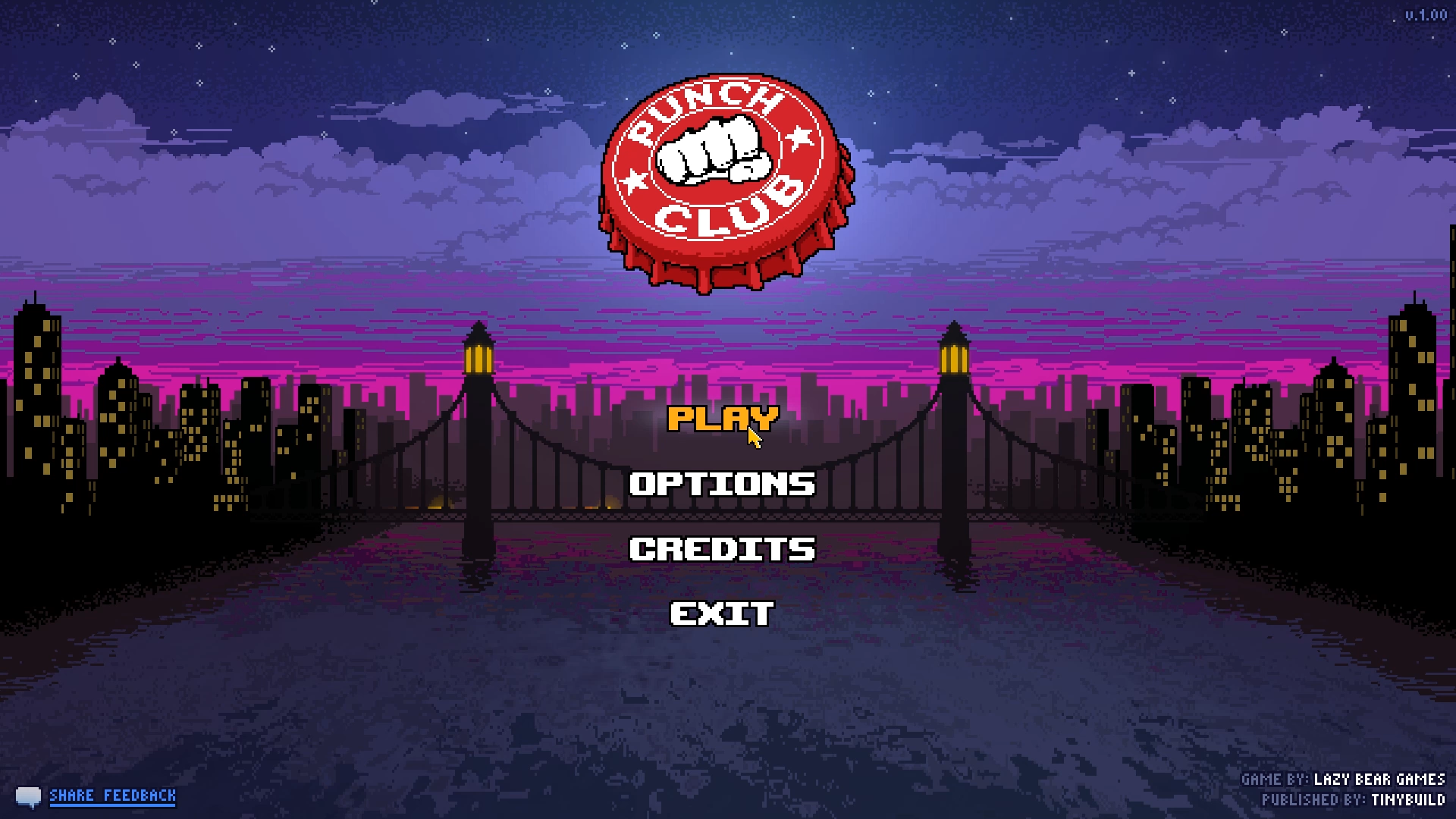
For an indie game with a small initial price tag, Punch Club took me on a fairly dramatic ride. I put in a total of 16 hours to complete the game and if you asked me for my opinion about the game in the first hour or two, my thoughts would have been completely different than what they were at hours 5, 10, and 12. I can’t say I’ve ever really had such drastic opinion changes about a game this size before.

Punch Club is a game that’s part strategy, part RPG, part simulator done in a super clean pixel art style. It’s story-based with branching paths, so people who play through the game once can have a pretty different story experience going through it again. And since it’s sort of a fighter, you can specialize in different martial arts styles as well.

You train in your own garage or in gyms to increase your strength, agility, and stamina. At the end of every day, you lose progress in all three stats, so if you don’t keep up your daily exercise regimen, you can have a net loss of your powers overall.

Getting into fights, whether they be friendly sparring rounds, or unregulated street fights, or commercial matches, gains you a small amount of experience that can be spend on new combat moves or permanent passive perks to your character.

But you also need to maintain your health, happiness, hunger, and how tired you are.

It’s a parody largely on fighting and martial arts movies and video games, but there are plenty of pop culture nudges tossed into the mix here and there. There are clear references to Rocky, Bloodsport, Chuck Norris, Mortal Kombat, Bruce Lee, the Street Fighter series, Steven Seagal, Teenage Mutant Ninja Turtles, Fight Club, Pulp Fiction, The Simpsons, The A-Team, Jay and Silent Bob, just to name a few.

It’s a pretty clever game in its concept and its execution. The pixel art is absolutely gorgeous. The music held its own as long as it could. The chiptune loops are on the short side, so even though the music wasn’t bad, I had my fill of it before I finished the game. That’s coming from a guy who listens to chiptunes for enjoyment pretty regularly.

My first impressions with Punch Club? I was bored. Bored bored bored. I almost stopped playing entirely. The game is a point and click interface. User input is important, but skill? Skill is 100% unnecessary to play this game. And that’s why I’d call it a “casual” experience. And that alone felt like an odd dichotomy to me. A casual fighting game.

When you get into fights, you have no real control over what happens on screen. It is essentially a digital cock fight. You can select which skills your character has available during each round, but all the kicking, dodging and blocking is completely controlled by the PC. So the guy with the higher stats and more advanced “moves” (and I’d like to note that I’m saying “moves facetiously) is almost always going to win. If I stopped my game after the first hour and decided to write a “review,” I would have given it a “don’t bother” rating.

But after some time, I started to truly appreciate the game in the early phases. There was a real need to balance your character’s life between work, resting, fighting, training, and trying to make friends, and discover how the game branches out. I immediately dismissed my earlier concerns for the lack of input during fights, and for the pretty brutal negative impact the game put on character’s daily stats. I was enjoying myself and couldn’t wait to play more.

The little pop culture references started to have more and more of a relevant effect on the game world, and that too became fascinating. I got hooked and really started to love the game. If I stopped the game right there and made my review, I would have given the game a “worth buying” rating.

As the game progressed, I quickly became jaded. Initially I was excited by unlocking my skill tree’s special moves and I was hoping to not only see a drastic change in my character’s performance, but in his animated moves as well. Turns out I was mistaken. A standard kick, flip kick, viper kick, and roundhouse kick they all look exactly the same. The only way to tell if your character is performing any particular special move is by watching the highlighted move icons in the corner of the screen. I found this to be incredibly lame considering the amount of detail that went into creating such lively environments and initial move animations. It’s bizarre that developer Lazy Bear Games thought that two punch animations and two kick animations would be enough for a game about martial arts.

But aside from being disappointed about the game’s lack of animations, I was also saddened about how quickly the game tapers off from its original open feel and turns into an absolute grindfest.

And not the fun kind of grind, either. The terrible kind of grind that make me wonder why I was still playing. The end of day hit to my stats were so brutal by the end of my game, that my character wasn’t sleeping anymore. He was just living at the gym and working out 24 hours a day. When he’d get hungry or tired, he’d stop at the vending machine and fill up on energy drinks and protein bars. So he wasn’t sleeping for weeks and filling up on junk food daily, just so he could maybe, just maybe, see a temporary increase in stats long enough where he could challenge his next contender. If he lost the round, he’d have to go back to the gym and slam more junk food and just cycle through the equipment just to maintain his current build.

And I hated that.

Punch Club does so much right in so many little areas, but does a few things wrong in very crucial areas. It needs some gameplay balancing to get rid of that absurd grind in the last act. Hopefully it’s not too late to patch in some new move animations, because if players can’t input commands to help alter the outcome of each fight, the least thing that can be done is make the fights semi-entertaining to watch. Gorgeous sprites, some small, but interesting story ideas, and pop culture references can’t save the game from everything.

Tested on: PC
Developer: Lazy Bear Games
Publisher: tinyBuild
Platforms: Windows
Relaunch Date: January 8, 2016
Review copy provided by publisher